

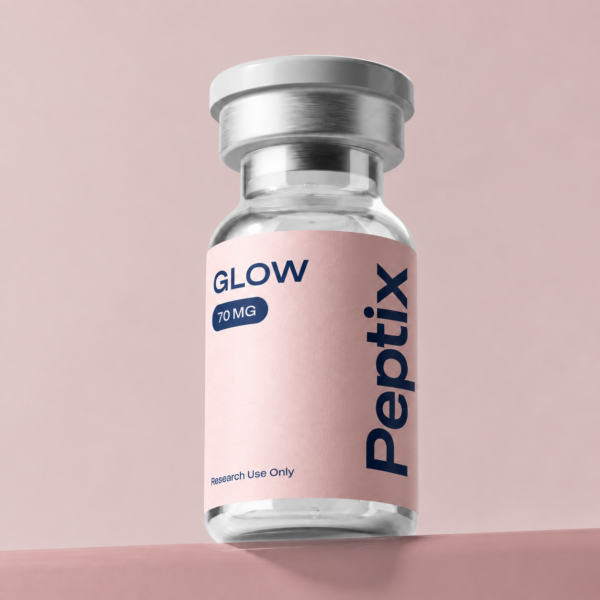
THE PEPTIX RESEARCH COLLECTION
Research peptides.
A simpler way.
Find your compound. Know your options. Explore peptides, blends, and research supplies—all in one place.
PEPTIDESBLENDSRESEARCH SUPPLIES
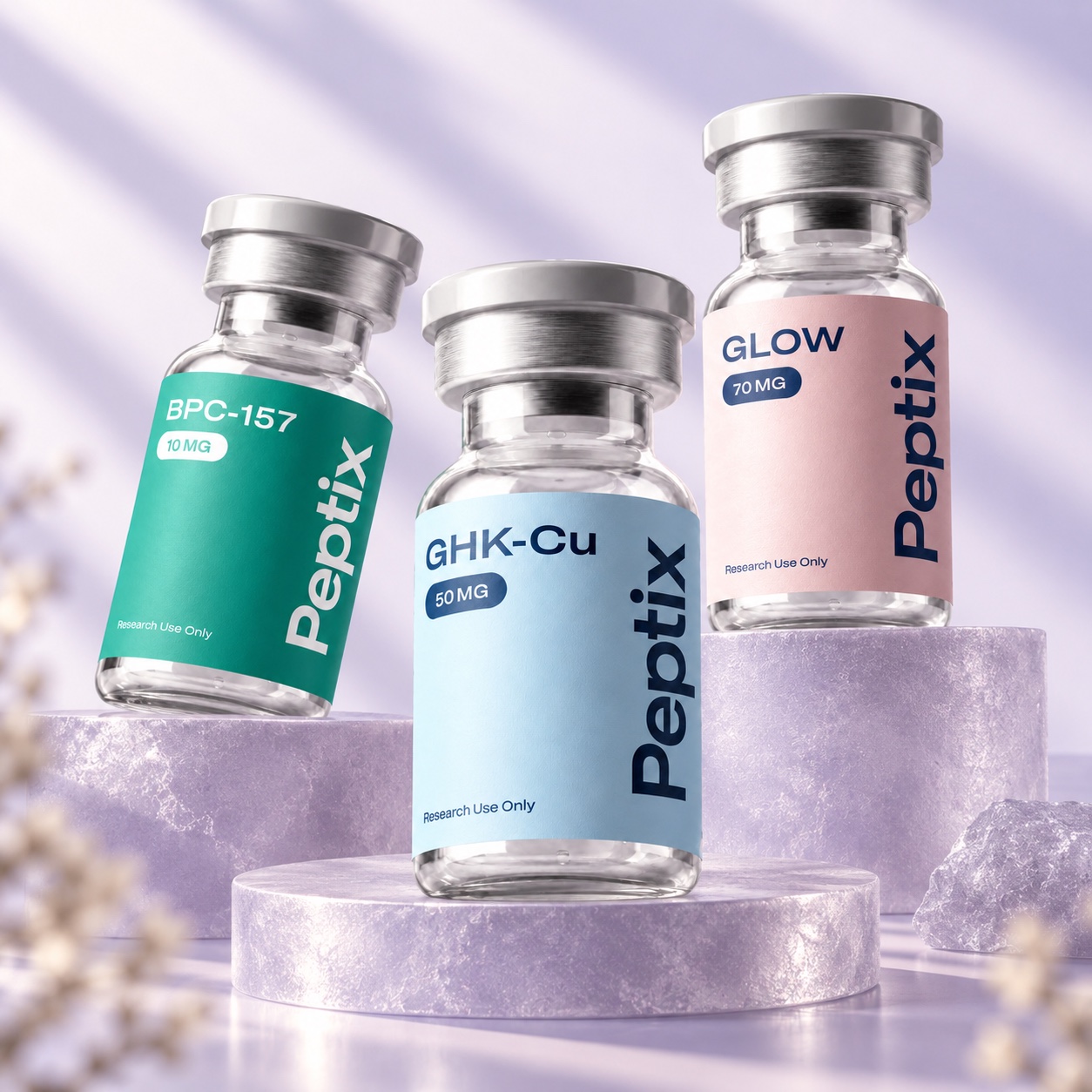
$10 flat shippingAcross the contiguous U.S.
A little extra, included.Free 3 mL BAC water with a peptide order
Know your collection.Product details and a searchable research guide
FIND YOUR NEXT RESEARCH ESSENTIAL
One collection.
Plenty to explore.
A name you know, or something to learn about.
Start with a search or explore a research area.
No products found
Try another name, save a product using its heart button, or clear your filters to see the full collection.
-
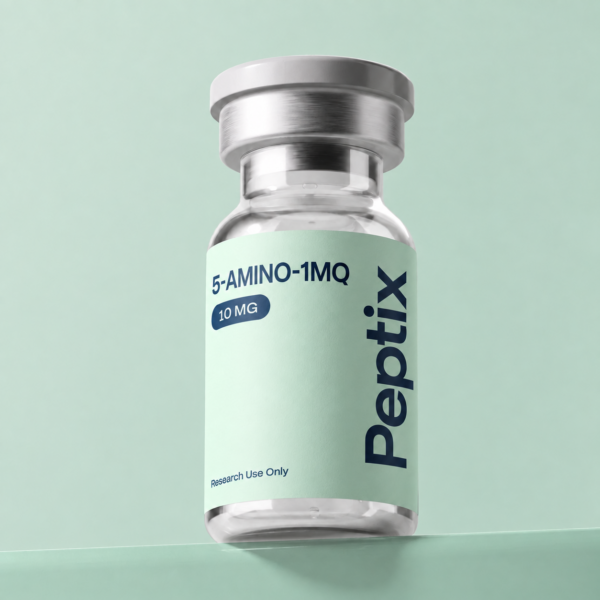
5-AMINO-1MQ
Blocks an enzyme called NNMT, changing cellular fuel handling and fat metabolism in cell and mouse studies.
10 mg
$45.00 Add to cart -
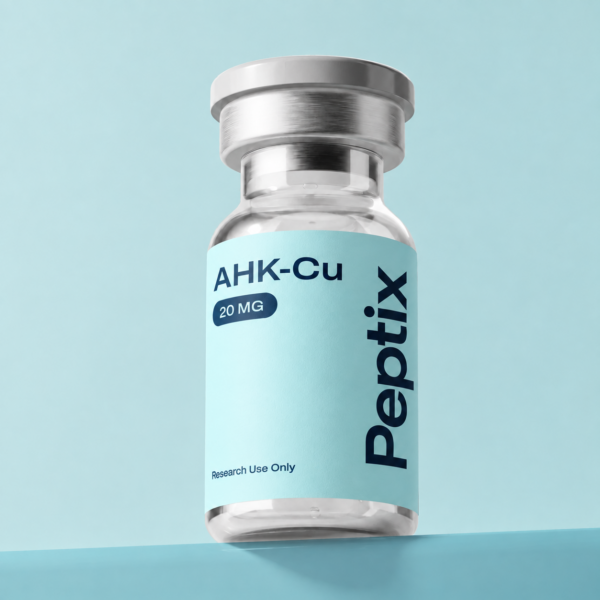
AHK-CU
A copper peptide studied for hair-follicle growth and supporting cell activity in laboratory cultures.
20 mg
$45.00 Add to cart -
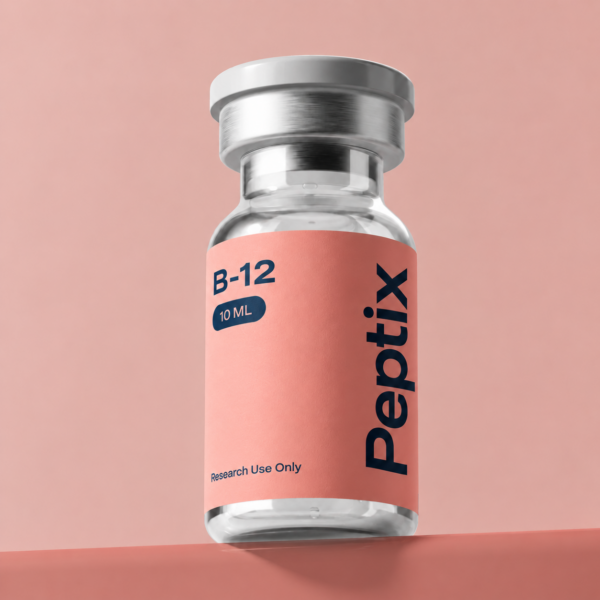
B-12
Vitamin B12 is involved in DNA production, nerve function, and red blood cell formation.
10 mL
$40.00 Add to cart -
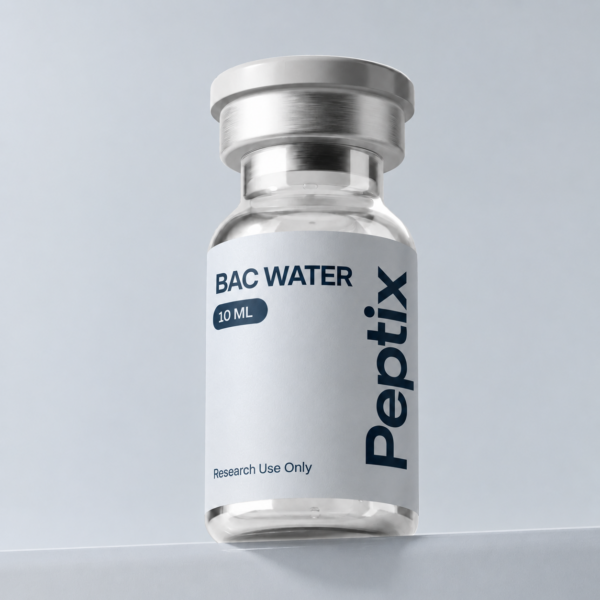
BAC WATER
Water-based laboratory supply for preparing compatible solutions, available in 3 mL and 10 mL sizes.
10 mL
$10.00 Add to cart -
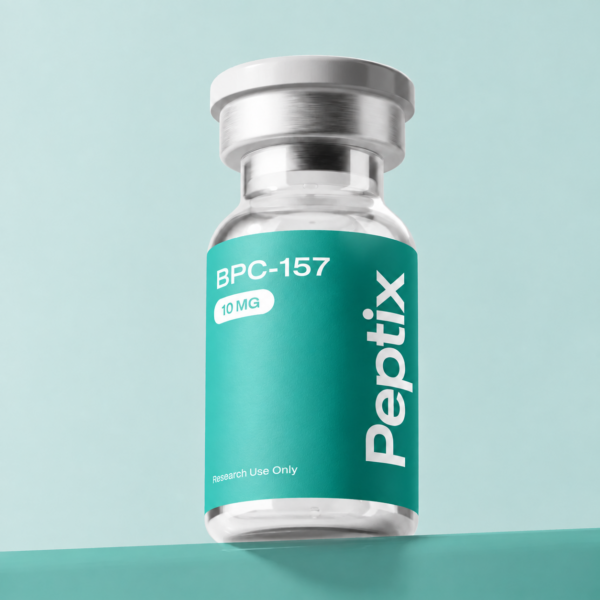
BPC-157
Studied for growing new blood vessels and activating repair-related cell signals in laboratory and animal models.
10 mg
$60.00 Add to cart -
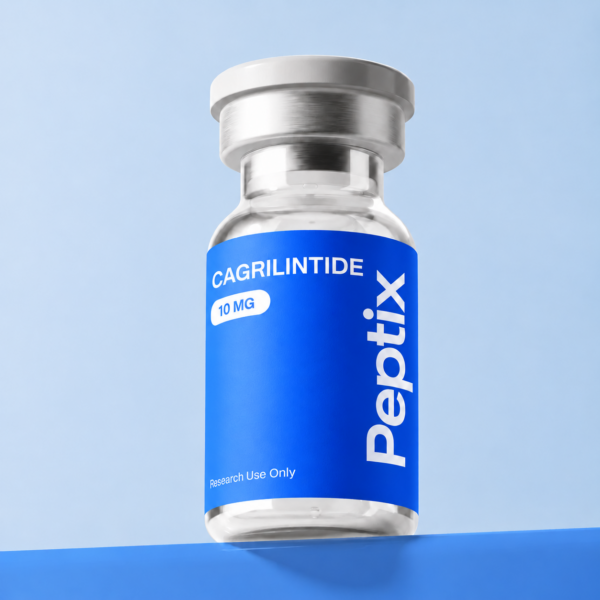
CAGRILINTIDE
Cagrilintide mimics amylin, a hormone involved in fullness, through a signaling pathway different from GLP-1.
10 mg
$75.00 Add to cart -
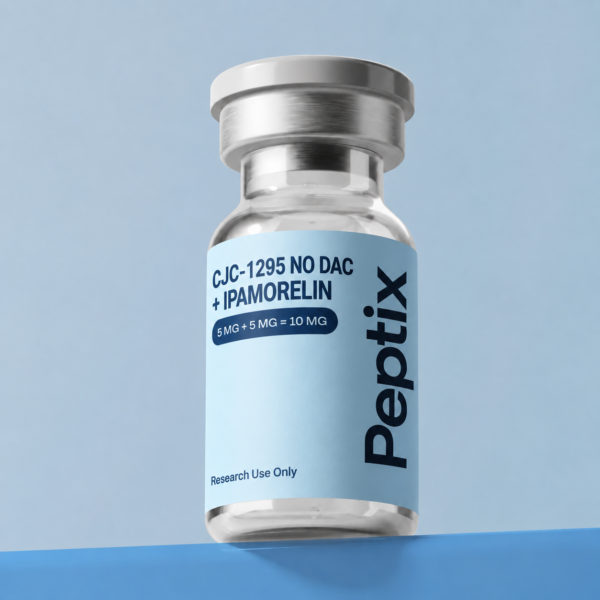
CJC-1295 NO DAC + IPAMORELIN
Combines CJC-1295 NO DAC and ipamorelin, two components associated with growth-hormone signaling, in one 10 mg blend.
5 mg + 5 mg = 10 mg
$60.00 Add to cart -
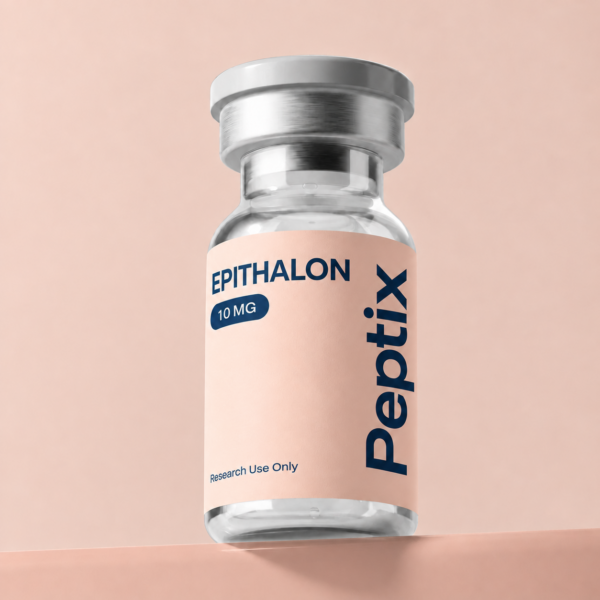
EPITHALON
A synthetic four-amino-acid peptide studied for telomerase activity and the protective caps on chromosomes.
10 mg
$40.00 Add to cart -
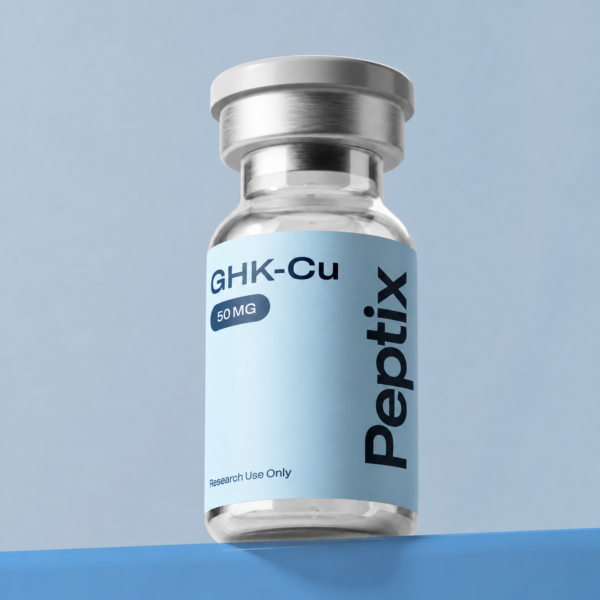
GHK-CU
A copper peptide studied for collagen production and the rebuilding of connective tissue in laboratory and animal models.
50 mg | 100 mg
Price range: $45.00 through $80.00 Select options This product has multiple variants. The options may be chosen on the product page -
GLOW
Brings GHK-Cu, BPC-157 and TB-500 together in one convenient 70 mg vial.
70 mg
$80.00 Add to cart -
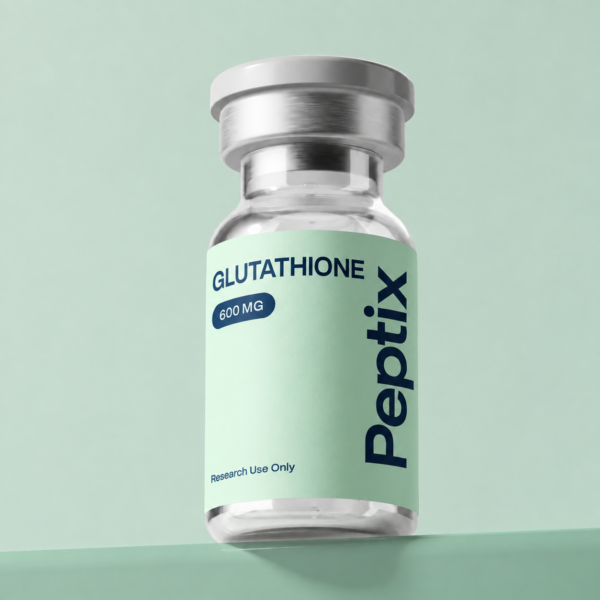
GLUTATHIONE
A naturally occurring antioxidant that helps cells neutralize peroxides and maintain chemical balance.
600 mg
$50.00 Add to cart -
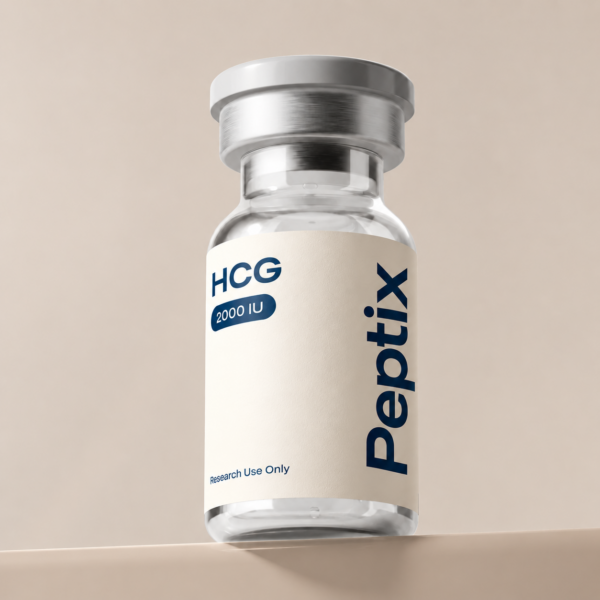
HCG
Mimics luteinizing hormone, signaling the testes and ovaries to produce reproductive hormones.
2000 IU
$50.00 Add to cart -
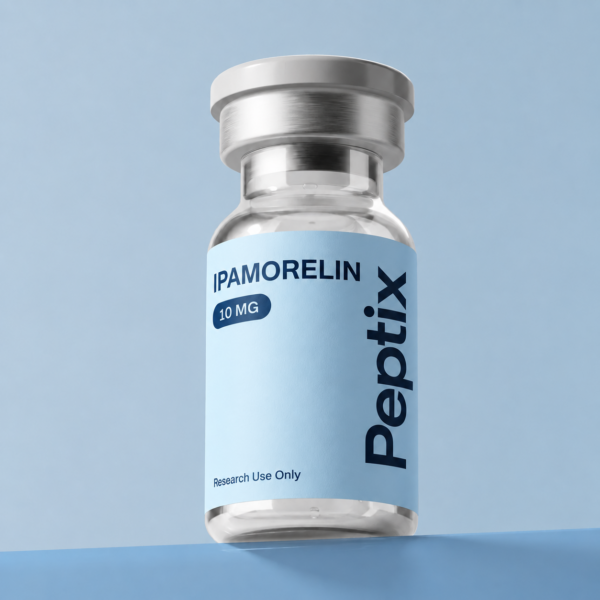
IPAMORELIN
Presses a different button, the growth-hormone secretagogue receptor, to stimulate growth-hormone release in experimental models.
10 mg
$40.00 Add to cart -
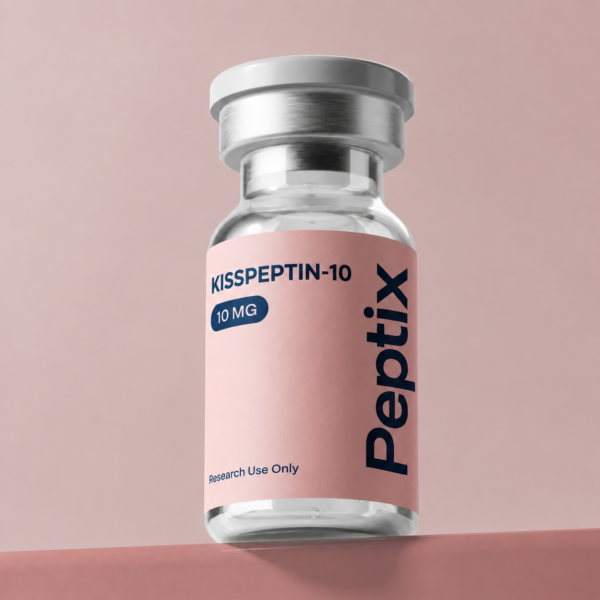
KISSPEPTIN-10
Stimulates the hormone-signaling pathway that controls luteinizing hormone release and testosterone production.
10 mg
$55.00 Add to cart -
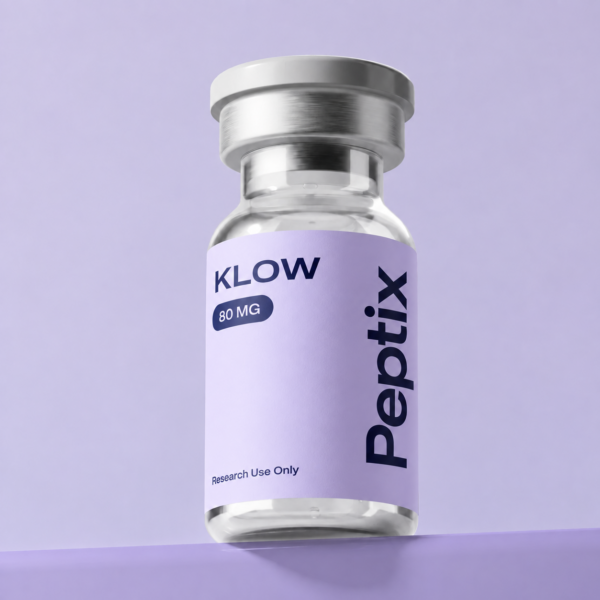
KLOW
Brings GHK-Cu, BPC-157, TB-500 and KPV together in one convenient 80 mg vial.
80 mg
$95.00 Add to cart -
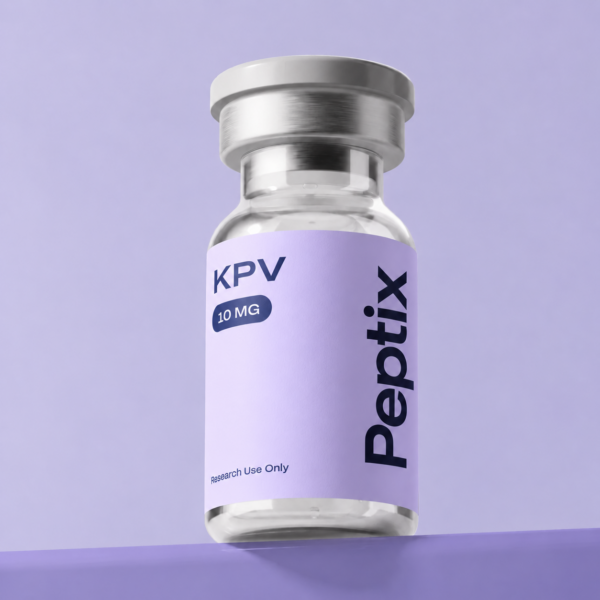
KPV
A tiny three-piece peptide studied for quieting inflammatory signals, especially in intestinal cells and mouse models of gut inflammation.
10 mg
$65.00 Add to cart -
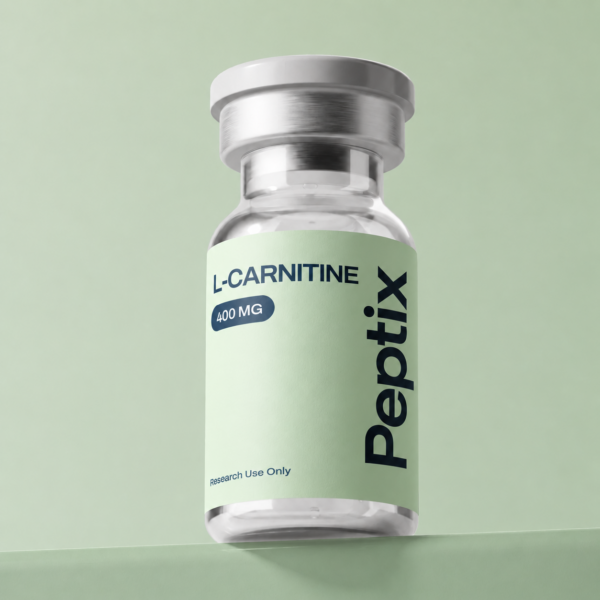
L-CARNITINE
Transports long-chain fatty acids into mitochondria, where cells break them down to produce energy.
400 mg
$30.00 Add to cart -
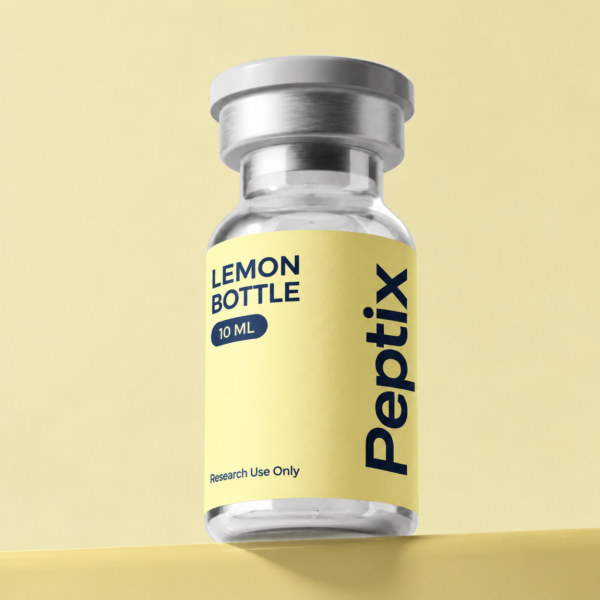
LEMON BOTTLE
A multi-ingredient blend containing pineapple extract, bromelain, riboflavin, lecithin, and botanical extracts.
10 mL
$40.00 Add to cart -
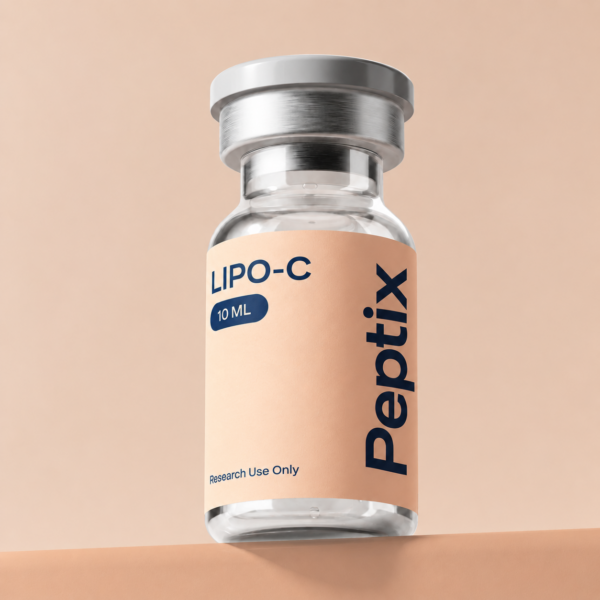
LIPO-C
A nutrient-blend category associated with fat metabolism; the exact Peptix formula is awaiting confirmation.
10 mL
$40.00 Add to cart -
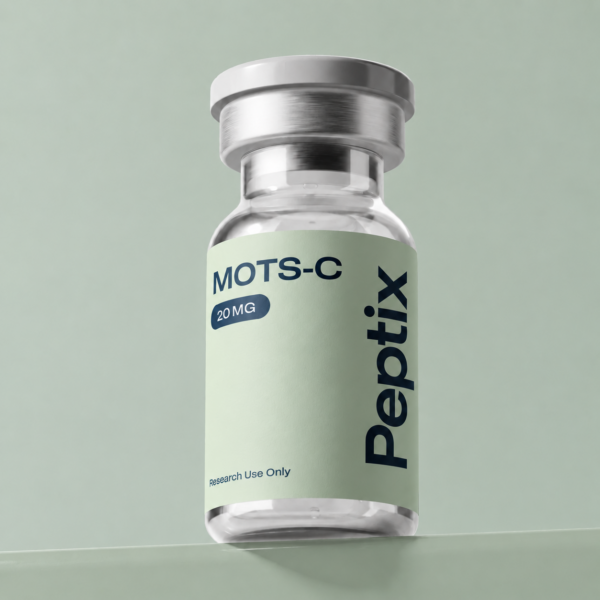
MOTS-C
A mitochondrial signaling peptide studied for glucose use, insulin sensitivity, and muscle metabolism.
20 mg
$65.00 Add to cart -
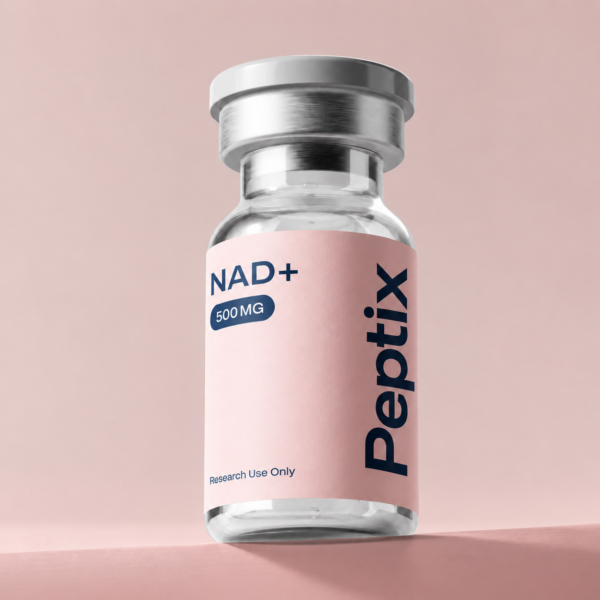
NAD+
A coenzyme cells use to make energy and support enzymes involved in DNA repair.
500 mg | 1000 mg
Price range: $75.00 through $115.00 Select options This product has multiple variants. The options may be chosen on the product page -
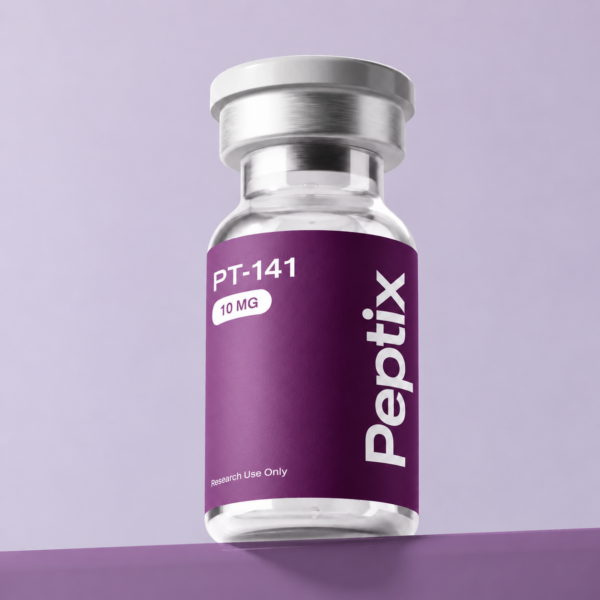
PT-141
Acts on melanocortin receptors involved in the brain's sexual-desire and arousal pathways.
10 mg
$40.00 Add to cart -
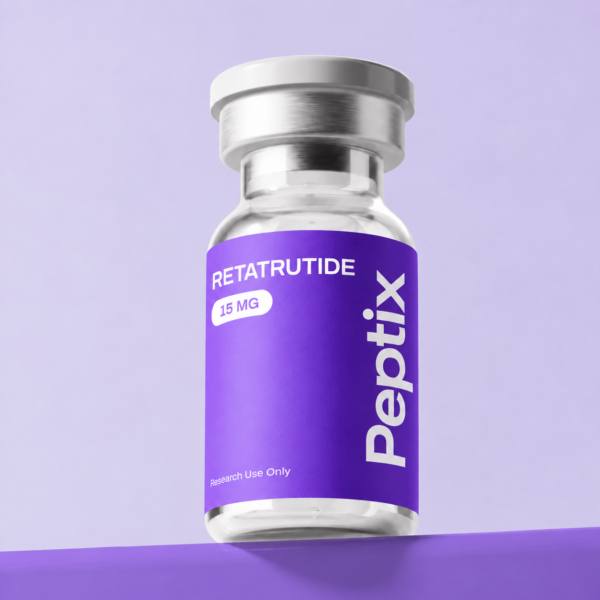
RETATRUTIDE
Retatrutide hits GLP-1, GIP, and glucagon receptors, linking appetite signals with blood sugar regulation and energy metabolism.
15 mg | 20 mg | 30 mg
Price range: $70.00 through $125.00 Select options This product has multiple variants. The options may be chosen on the product page -
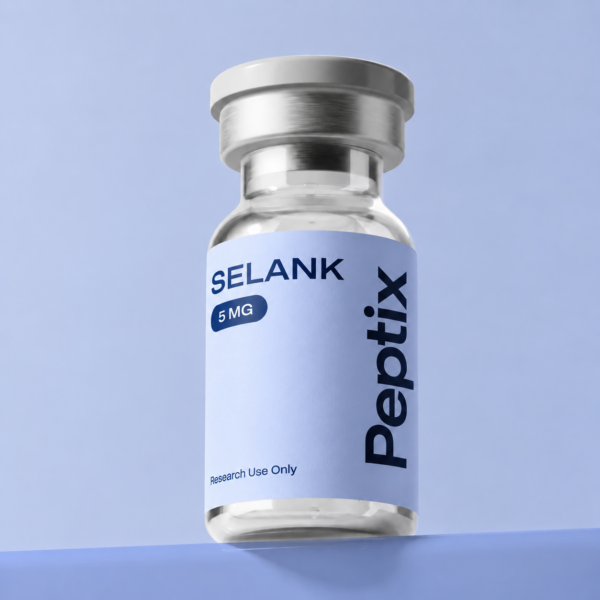
SELANK
Studied for GABA-related signaling, which helps regulate nerve-cell activity and the brain's response to stress.
5 mg
$45.00 Add to cart -
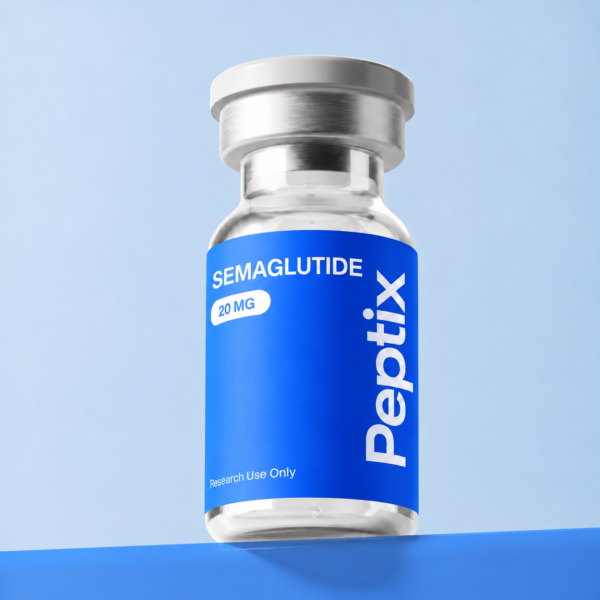
SEMAGLUTIDE
Semaglutide is a GLP-1 receptor agonist. It slows how fast the stomach empties and helps regulate appetite and blood sugar.
20 mg | 30 mg
Price range: $65.00 through $79.00 Select options This product has multiple variants. The options may be chosen on the product page -
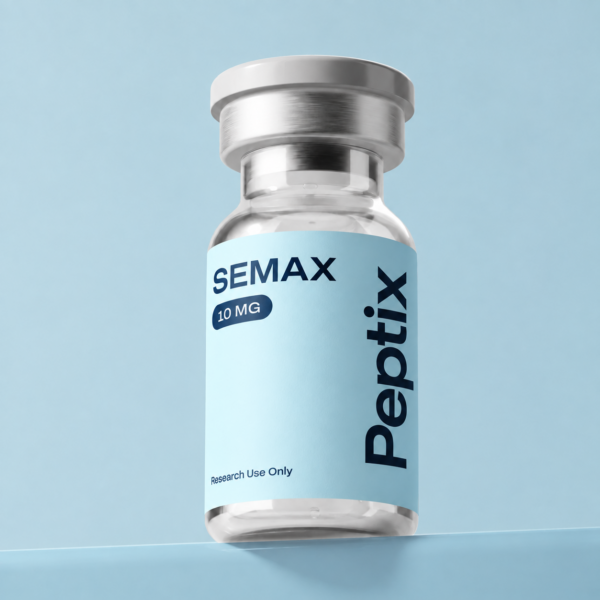
SEMAX
Studied for effects on BDNF, a signal involved in brain-cell survival, learning, and memory.
10 mg
$45.00 Add to cart -
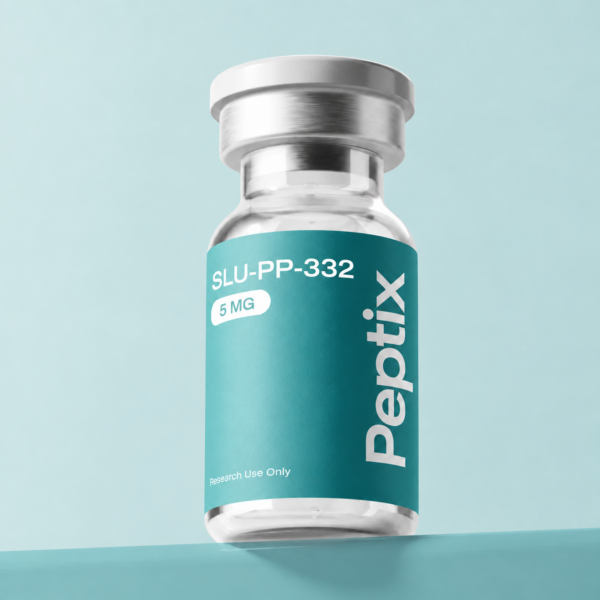
SLU-PP-332
Activates receptors that control muscle energy use, with exercise-response effects studied in mice.
5 mg
$55.00 Add to cart -
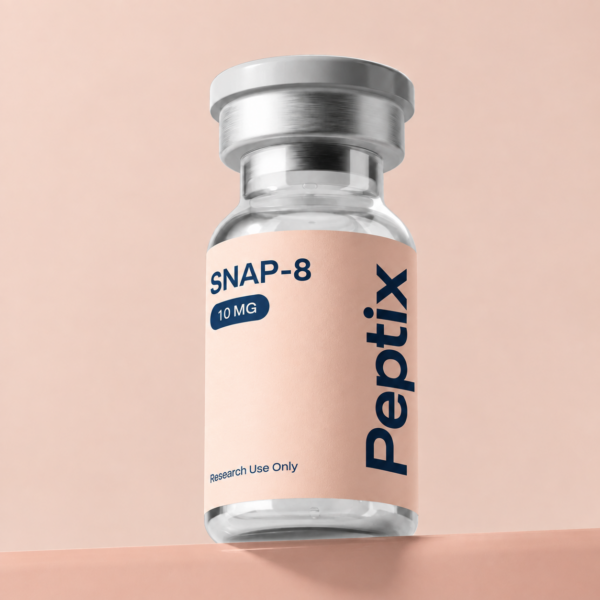
SNAP-8
A cosmetic peptide studied for its effects on nerve signaling associated with expression lines.
10 mg
$40.00 Add to cart -
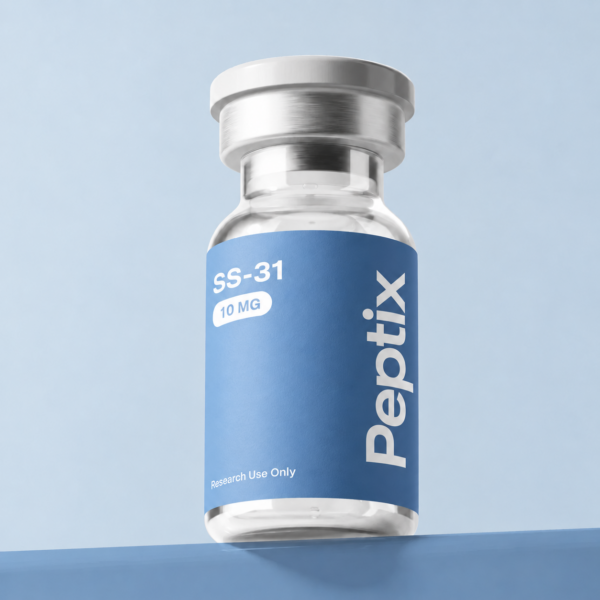
SS-31
Targets mitochondrial membranes and associated proteins involved in producing cellular energy and managing oxidative stress.
10 mg
$50.00 Add to cart -
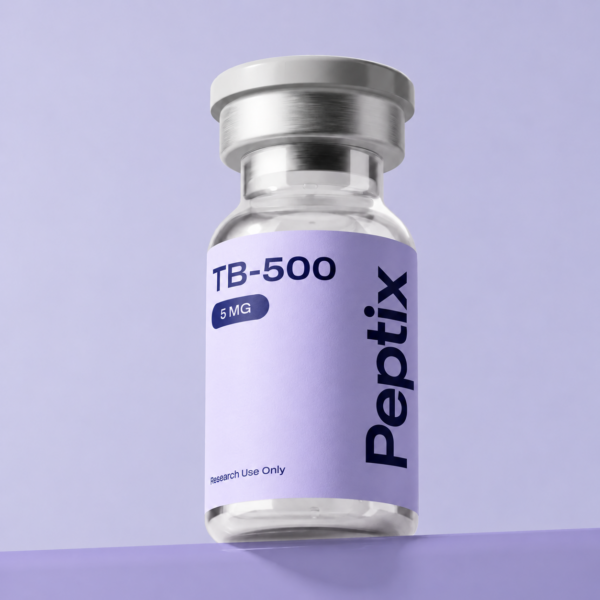
TB-500
A thymosin-related peptide associated with tissue-repair research; findings for full-length thymosin beta-4 cannot automatically be applied to TB-500.
5 mg
$45.00 Add to cart -
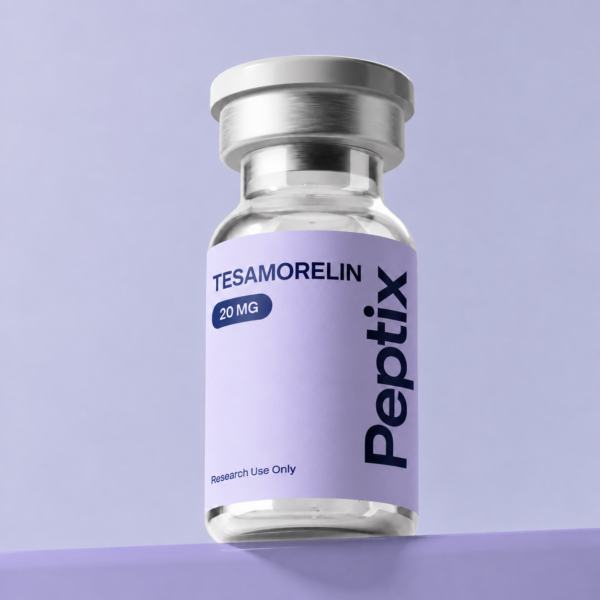
TESAMORELIN
Mimics growth-hormone-releasing hormone, with prescription-formulation studies examining visceral fat: the deep fat around internal organs.
20 mg
$75.00 Add to cart -
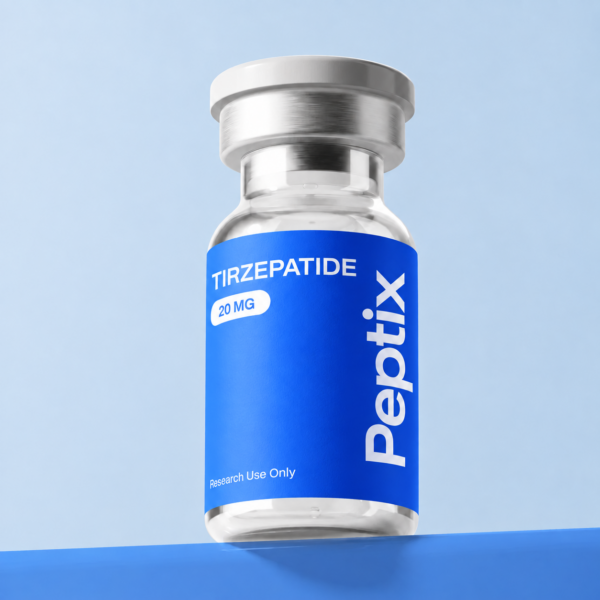
TIRZEPATIDE
A dual incretin agonist that activates GLP-1 and GIP receptors, influencing fullness and the body’s response to blood sugar.
20 mg | 30 mg | 40 mg
Price range: $80.00 through $135.00 Select options This product has multiple variants. The options may be chosen on the product page -
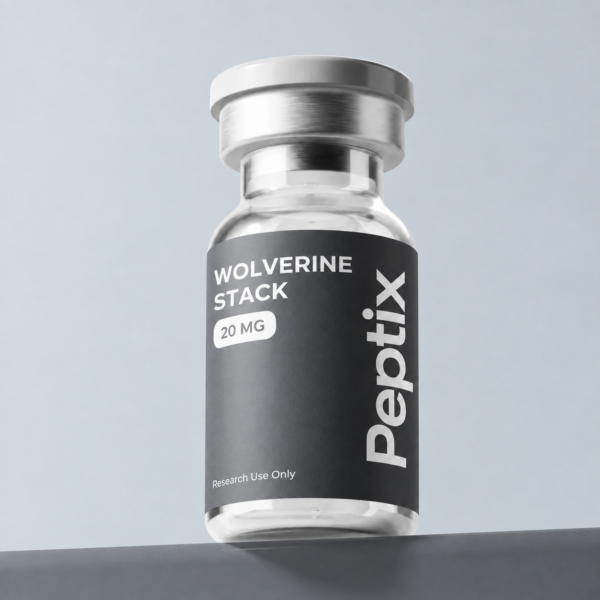
WOLVERINE STACK
Brings BPC-157 and TB-500 together in one convenient 20 mg vial, with 10 mg of each peptide.
20 mg
$75.00 Add to cart
A CLOSER LOOK
Meet the blends.
Every component, clearly listed.
Explore the details before you choose.
FOUR-COMPOUND BLEND
KLOW
80 mg total
BPC-157 10 mg · GHK-Cu 50 mg · TB-500 10 mg · KPV 10 mg
Explore KLOWMORE CLARITY. LESS GUESSWORK.
A little knowledge
goes a long way.
What is each compound being studied for? Our guide brings the collection together with plain-language summaries, evidence context, and links to background research.
Explore the research guideTHE PEPTIX GUIDE
What does each
compound do?
A plain-language look at the biology and research behind the collection. Open a name to explore.
Descriptions summarize published findings on the named compounds. They do not establish effects of a Peptix batch or a finished blend.
5-AMINO-1MQThe metabolism spark plug
Cell and mouse studies
Blocks an enzyme called NNMT, changing cellular fuel handling and fat metabolism in cell and mouse studies.
Simple version: 5-Amino-1MQ blocks an enzyme called NNMT, which influences how cells use nicotinamide and maintain NAD+, a molecule involved in energy metabolism. Early cell and mouse experiments examined changes in fat storage and body weight. Those results do not establish a fat-loss benefit in people.
Read background source ↗ View sizes & pricing →AHK-CUHair-follicle biology
Cell and isolated-follicle studies
A copper peptide studied for hair-follicle growth and supporting cell activity in laboratory cultures.
AHK-Cu was studied in isolated human hair follicles and cultured dermal papilla cells. Researchers observed follicle elongation and increased proliferation of these hair-supporting cells.
Read background source ↗ View sizes & pricing →B-12DNA and nerve function
Established vitamin biology
Vitamin B12 is involved in DNA production, nerve function, and red blood cell formation.
B12 acts as a cofactor for enzymes involved in cell metabolism. The B12 form and concentration in this 10 mL product are not yet confirmed.
Read background source ↗ View sizes & pricing →BAC WATERLaboratory diluent
Product specification needed
Water-based laboratory supply for preparing compatible solutions, available in 3 mL and 10 mL sizes.
Confirm composition and compatibility using the product specification. The 3 mL size is included with peptide orders; 10 mL is sold separately.
Read background source ↗ View sizes & pricing →BPC-157Blood vessels and tissue repair
Cell and animal studies
Studied for growing new blood vessels and activating repair-related cell signals in laboratory and animal models.
BPC-157 is a 15-amino-acid peptide studied for the processes behind tissue repair. The science centers on angiogenesis - new blood-vessel formation - and signals that influence how repair cells respond. Experiments have found changes in blood-vessel growth and tendon-cell activity. These preclinical findings do not establish faster healing of injuries in people.
Read background source ↗ View sizes & pricing →CAGRILINTIDEA different fullness signal
Receptor research and human clinical trials
Cagrilintide mimics amylin, a hormone involved in fullness, through a signaling pathway different from GLP-1.
Simple version: cagrilintide copies the action of a different hormone, amylin, which helps signal fullness. It is a long-acting amylin analogue that activates amylin and calcitonin receptors. Researchers study how these signals affect food intake and body weight, including studies of cagrilintide combined with semaglutide.
Read background source ↗ View sizes & pricing →CJC-1295 NO DAC + IPAMORELINTwo growth-hormone signaling components
Individual-component studies; blend effects unverified
Combines CJC-1295 NO DAC and ipamorelin, two components associated with growth-hormone signaling, in one 10 mg blend.
The idea is two different signaling “buttons”: a growth-hormone-releasing-hormone pathway and a growth-hormone secretagogue pathway. This blend contains CJC-1295 NO DAC 5 mg plus ipamorelin 5 mg. Ipamorelin has stimulated GH release in experimental models; the NO DAC component’s exact sequence and the effects of this combined formula still need confirmation.
Read background source ↗ View sizes & pricing →EPITHALONTelomeres and cell aging
Human-cell culture studies
A synthetic four-amino-acid peptide studied for telomerase activity and the protective caps on chromosomes.
Epithalon, also spelled Epitalon, has been studied for its effects on telomerase, an enzyme involved in maintaining telomeres at chromosome ends. One laboratory study reported increased telomerase activity and longer telomeres in cultured human fibroblasts. This was a cell-culture result, not proof of slower aging, deeper sleep, or longer life in people.
Read background source ↗ View sizes & pricing →GHK-CUCollagen and connective tissue
Preclinical tissue studies
A copper peptide studied for collagen production and the rebuilding of connective tissue in laboratory and animal models.
GHK-Cu pairs a small peptide with copper. Its research focuses on collagen and the connective tissue that gives skin structure. In an animal wound model, it increased collagen and other tissue components. That supports interest in repair biology, but does not establish scar removal, hair regrowth or younger-looking skin from this Peptix product.
Read background source ↗ View sizes & pricing →GLOWThree compounds in one vial
Formula supplied by Peptix
View sizes & pricing →
Brings GHK-Cu, BPC-157 and TB-500 together in one convenient 70 mg vial.
GLOW bundles three compounds often discussed in tissue-repair research: BPC-157 10 mg, GHK-Cu 50 mg and TB-500 10 mg. The combination brings these ingredients into one vial, with 70 mg total. Research on individual ingredients does not establish the effects of this finished blend or prove that they work better together.
| Ingredient | Listed amount |
|---|---|
| BPC-157 | 10 mg |
| GHK-Cu | 50 mg |
| TB-500 | 10 mg |
Composition supplied by Peptix.
GLUTATHIONECellular antioxidant activity
Established biochemical role
A naturally occurring antioxidant that helps cells neutralize peroxides and maintain chemical balance.
Glutathione is a tripeptide used in cellular antioxidant reactions. It participates in peroxide reduction and cycles between reduced and oxidized forms to maintain redox balance.
Read background source ↗ View sizes & pricing →HCGReproductive-hormone signaling
Established hormone biology
Mimics luteinizing hormone, signaling the testes and ovaries to produce reproductive hormones.
Human chorionic gonadotropin stimulates testosterone production in testicular cells and progesterone production in the ovarian corpus luteum. It is a hormone involved in reproductive signaling.
Read background source ↗ View sizes & pricing →IPAMORELINA growth-hormone release signal
Pituitary-cell and animal studies
Presses a different button, the growth-hormone secretagogue receptor, to stimulate growth-hormone release in experimental models.
Simple version: ipamorelin presses a different button from growth-hormone-releasing hormone to prompt GH release. The science, kept: a selective GH secretagogue. Its early pharmacology studies used pituitary cells and animals to examine hormone release and selectivity. These findings do not establish improved sleep, recovery, or anti-aging effects in people.
Read background source ↗ View sizes & pricing →KISSPEPTIN-10Reproductive hormone signaling
Small human hormone-response studies
Stimulates the hormone-signaling pathway that controls luteinizing hormone release and testosterone production.
Kisspeptin-10 is a short signaling peptide involved in the body's reproductive hormone system. Small studies in men found increases in luteinizing hormone, with testosterone increases during longer exposure. These results describe measured hormone responses. They do not establish fertility treatment, restoration of testosterone after a cycle, or the effects reported for other kisspeptin forms.
Read background source ↗ View sizes & pricing →KLOWFour compounds in one vial
Formula supplied by Peptix
View sizes & pricing →
Brings GHK-Cu, BPC-157, TB-500 and KPV together in one convenient 80 mg vial.
KLOW bundles four compounds discussed in tissue-repair and inflammatory-signaling research: BPC-157 10 mg, GHK-Cu 50 mg, TB-500 10 mg and KPV 10 mg. It combines the GLOW ingredients with KPV, for 80 mg total. The individual ingredients have separate research histories; their combined effects in this finished blend have not been established.
| Ingredient | Listed amount |
|---|---|
| BPC-157 | 10 mg |
| GHK-Cu | 50 mg |
| TB-500 | 10 mg |
| KPV | 10 mg |
Composition supplied by Peptix.
KPVTurning down inflammatory signals
Cell and mouse studies
A tiny three-piece peptide studied for quieting inflammatory signals, especially in intestinal cells and mouse models of gut inflammation.
Think of KPV as a signal being investigated for turning down inflammation. This three-amino-acid peptide reduced NF-kappaB and MAPK activity, pathways that help switch inflammatory responses on, in cell experiments. It also reduced inflammation in mouse colitis models. Those results do not establish treatment benefits for IBS, eczema or other conditions in people.
Read background source ↗ View sizes & pricing →L-CARNITINEFatty-acid transport
Established biochemical role
Transports long-chain fatty acids into mitochondria, where cells break them down to produce energy.
L-carnitine is a naturally occurring compound involved in cellular fuel use, especially in heart and skeletal muscle.
Read background source ↗ View sizes & pricing →LEMON BOTTLEBotanical and enzyme blend
Ingredient list supplied by Peptix
View sizes & pricing →
A multi-ingredient blend containing pineapple extract, bromelain, riboflavin, lecithin, and botanical extracts.
The supplied formula lists individual concentrations; the carrier and complete product specification are still unconfirmed. Fat-reduction effects of this finished blend have not been established.
| Ingredient | Listed amount |
|---|---|
| Ananas sativus (pineapple) fruit extract | 5% · 50 mg/mL |
| Bromelain | 1% · 10 mg/mL |
| Riboflavin | 0.1% · 1 mg/mL |
| Pentylene glycol | 3% · 30 mg/mL |
| Sodium chloride | 0.9% · 9 mg/mL |
| Lecithin | 0.1% · 1 mg/mL |
| Centella asiatica extract | 0.1% · 1 mg/mL |
| Salvia miltiorrhiza root extract | 0.05% · 0.5 mg/mL |
| Chamomilla recutita extract | 0.05% · 0.5 mg/mL |
| Scutellaria baicalensis root extract | 0.05% · mg/mL not supplied |
Composition supplied by Peptix.
LIPO-CNutrient blend
Formula details pending
A nutrient-blend category associated with fat metabolism; the exact Peptix formula is awaiting confirmation.
LIPO-C formulas vary and may combine amino acids, vitamins, and related compounds. The 10 mL vial volume does not identify ingredient concentrations or establish what this specific blend does.
View sizes & pricing →MOTS-CMetabolism and insulin signaling
Cell and mouse metabolism studies
A mitochondrial signaling peptide studied for glucose use, insulin sensitivity, and muscle metabolism.
MOTS-c is a signaling peptide encoded by mitochondrial DNA. Cell and mouse studies link it to AMPK, an energy-sensing pathway that influences how cells use glucose. In mice, experiments found effects on insulin sensitivity and diet-related weight gain. These findings explain the interest in metabolic research; they do not establish an exercise replacement or a metabolic reset in people.
Read background source ↗ View sizes & pricing →NAD+Cellular energy and DNA repair
Biochemistry and cellular studies
A coenzyme cells use to make energy and support enzymes involved in DNA repair.
NAD+ is a coenzyme, not a peptide or a fuel itself. It helps transfer electrons during the reactions that turn nutrients into usable energy, and it supplies enzymes involved in DNA repair. Studies investigate how changing NAD+ levels affects these processes. Its normal cellular role does not establish that a supplied vial reverses aging or treats fatigue.
Read background source ↗ View sizes & pricing →PT-141Sexual desire and arousal
Receptor pharmacology and clinical trials
Acts on melanocortin receptors involved in the brain's sexual-desire and arousal pathways.
PT-141, also called bremelanotide, acts on melanocortin receptors involved in sexual response. Clinical studies have examined changes in sexual desire and related distress in women with hypoactive sexual desire disorder. Results depend on the formulation, population, and outcome measured; they do not show that every user will experience increased desire or establish the effects of this vial.
Read background source ↗ View sizes & pricing →RETATRUTIDEThree metabolic signaling pathways
Receptor research and human clinical trials
Retatrutide hits GLP-1, GIP, and glucagon receptors, linking appetite signals with blood sugar regulation and energy metabolism.
Think of three metabolic dials. Retatrutide activates GLP-1, GIP, and glucagon receptors: pathways involved in food intake, blood sugar, and energy use. The science, kept: a triple-receptor agonist. A controlled phase 2 trial studied its effects on body weight in adults with obesity; those findings concern the trial formulation, not a verified effect of this vial.
Read background source ↗ View sizes & pricing →SELANKCalm and stress signaling
Preclinical nerve-signaling studies
Studied for GABA-related signaling, which helps regulate nerve-cell activity and the brain's response to stress.
Selank is a synthetic peptide investigated for its effects on nerve signaling. In rats, it changed the activity of genes involved in GABA and other neurotransmitter systems. GABA helps regulate how strongly nerve cells respond to signals. These molecular findings do not demonstrate anxiety relief without sedation, memory effects, or dependence in people.
Read background source ↗ View sizes & pricing →SEMAGLUTIDEThe hunger dimmer switch
Human clinical studies of prescription formulations
Semaglutide is a GLP-1 receptor agonist. It slows how fast the stomach empties and helps regulate appetite and blood sugar.
Picture the “I’m done” feeling after a meal. GLP-1 is one of the signals involved, and semaglutide mimics its action at GLP-1 receptors. The science, kept: it slows stomach emptying and affects appetite and glucose-dependent insulin release. Clinical studies of prescription formulations examine how these mechanisms influence food intake, blood sugar, and body weight.
Read background source ↗ View sizes & pricing →SEMAXBrain growth-factor signaling
Rat brain and behavioral studies
Studied for effects on BDNF, a signal involved in brain-cell survival, learning, and memory.
Semax is a synthetic peptide studied for its effects on brain-derived neurotrophic factor, or BDNF. Rat experiments found changes in BDNF and its TrkB receptor in the hippocampus, a brain region involved in learning and memory. These findings help explain its research focus, but do not establish sharper concentration or stimulant-free productivity in people.
Read background source ↗ View sizes & pricing →SLU-PP-332Muscle energy metabolism
Cell and mouse studies
Activates receptors that control muscle energy use, with exercise-response effects studied in mice.
SLU-PP-332 is a small molecule that activates estrogen-related receptors. Cell and mouse studies examine mitochondrial energy production and exercise-related gene activity.
Read background source ↗ View sizes & pricing →SNAP-8Expression-line signaling
Manufacturer laboratory and cosmetic studies
A cosmetic peptide studied for its effects on nerve signaling associated with expression lines.
Also called acetyl octapeptide-3, SNAP-8 is designed to interfere with the SNARE proteins involved in neurotransmitter release. Evidence comes mainly from ingredient-manufacturer laboratory and cosmetic studies.
Read background source ↗ View sizes & pricing →SS-31Mitochondrial energy and membranes
Mechanistic studies and condition-specific trials
Targets mitochondrial membranes and associated proteins involved in producing cellular energy and managing oxidative stress.
SS-31, also called elamipretide, interacts with cardiolipin and proteins in the inner mitochondrial membrane. Laboratory work examines how these interactions affect ATP production and reactive oxygen species. Clinical findings depend on the condition studied: a phase 3 trial in primary mitochondrial myopathy did not improve its main walking-distance or fatigue outcomes compared with placebo.
Read background source ↗ View sizes & pricing →TB-500Thymosin and tissue repair
Peptide identity needs confirmation
A thymosin-related peptide associated with tissue-repair research; findings for full-length thymosin beta-4 cannot automatically be applied to TB-500.
TB-500 is commonly discussed alongside thymosin beta-4 in tissue-repair research. Published chemical analysis identified a short, acetylated thymosin beta-4 fragment in a product sold as TB-500. That is different from the full-length protein. The exact peptide identity matters, so claims about whole-body healing, flexibility or scar reduction cannot be assumed for this vial.
Read background source ↗ View sizes & pricing →TESAMORELINGrowth-hormone and visceral fat
Human studies in HIV-associated lipodystrophy
Mimics growth-hormone-releasing hormone, with prescription-formulation studies examining visceral fat: the deep fat around internal organs.
Simple version: tesamorelin sends a growth-hormone-releasing signal to the pituitary gland, increasing GH and downstream IGF-1. Clinical research has examined visceral fat, the deep fat around internal organs rather than the pinchable fat under the skin. The studied prescription indication is excess abdominal fat in adults with HIV-associated lipodystrophy, not general weight loss.
Read background source ↗ View sizes & pricing →TIRZEPATIDETwo appetite signaling pathways
Human clinical studies of prescription formulations
A dual incretin agonist that activates GLP-1 and GIP receptors, influencing fullness and the body’s response to blood sugar.
If semaglutide turns one hunger dial down, tirzepatide grabs two dials at once: GLP-1 and GIP. The science, kept: a dual incretin agonist. These signals affect appetite and glucose-dependent insulin release, helping explain the changes in food intake and blood sugar seen in clinical studies of prescription formulations.
Read background source ↗ View sizes & pricing →WOLVERINE STACKBPC-157 and TB-500 together
Formula supplied by Peptix
View sizes & pricing →
Brings BPC-157 and TB-500 together in one convenient 20 mg vial, with 10 mg of each peptide.
Wolverine Stack is the name used for a BPC-157 and TB-500 combination. The Peptix formula contains 10 mg of each, for 20 mg total per vial. Both names appear in tissue-repair discussions, but the popular local-plus-whole-body healing description is not an established effect of this blend. Individual-compound studies do not demonstrate a combined benefit.
| Ingredient | Listed amount |
|---|---|
| BPC-157 | 10 mg |
| TB-500 | 10 mg |
Composition supplied by Peptix.
No matching compounds. Try a different name or topic.
LESS CLICKING. MORE CLARITY.
Your next order,
made simple.
Everything you need to move from browsing to checkout, in one place.
Browse peptides- 01
Find your product
Explore the collection and review product specifications.
- 02
Make it your order
Select the available size and quantity, then add to your cart.
- 03
Check out with ease
Enter your delivery details, review your total, and place your order.
Who are these products for?
Our products are for laboratory research use only. They are not for human or animal consumption, or for diagnostic or therapeutic use.
How do I place an order?
Choose your products and quantities, add them to your cart, and continue to checkout. Review your delivery details and order total before submitting payment.
Where can I find product documentation?
Review the product page for available specifications and documentation. Contact us before ordering if you need additional product or batch information.
Is BAC water included?
3 mL BAC water is included free with a peptide order. The 10 mL size is available separately for $10.
What are my shipping options?
Shipping is a flat $10 per order within the contiguous United States, including Washington, D.C. We currently offer shipping only, with no local delivery or pickup. We do not currently ship to Alaska, Hawaii, U.S. territories, military addresses, or international destinations.
YOUR RESEARCH. YOUR NEXT STEP.